Menopause is a natural transition that will affect all women, yet many face untreated symptoms such as hot flashes, sleep disturbances, joint pain and vaginal dryness. Physiotherapy offers evidence-based, non-pharmacological strategies to help women not only manage these changes but thrive during this phase.
Menopause Symptoms & Physiotherapy Management

Common Symptoms
Hot Flashes & Sleep Disturbances
Hormonal fluctuations can disrupt sleep and trigger hot flashes. Physiotherapy supports symptom management through:
o Stress reduction techniques such as diaphragmatic breathing, which lowers cortisol levels and promotes relaxation.
o Temperature regulation strategies and sleep hygiene education.
Joint Pain & Stiffness
Declining estrogen levels can lead to inflammation and joint discomfort. Our approach includes:
o Targeted exercises to increase muscle mass to protect joints, maintain tendon elasticity and increase endogenous estrogen production (muscles produce estrogen)
o Myofascial release techniques to alleviate muscle tension and improve circulation.
o Personalised programs that address your alignment to reduce muscle and tendon tension from the decline in estrogen
Vaginal Dryness & Pelvic Discomfort
Physiotherapy addresses pelvic health through:
o Pelvic floor relaxation and strengthening exercises to increase strength and reduce tension
o Education on vaginal & sexual health due to dryness and reduced sexual sensation from weakening of the pelvic floor muscles
Cognitive Health
Menopause causes brain fog (memory issues, poor focus, word-finding trouble), which disrupt brain function, cell growth and sleep. Physiotherapy through high intensity and resistance exercise can help reduce these symptoms by increasing neuroplasticity of the brain and central nervous system. Exercise also increases the production of sex hormones.
Cardiovascular Disease (CVD), Bone Health & Menopause

CVD is the number one cause for mortality for both men at age 50 and for women at age 60. For women, CVD risks and osteopenia / osteoporosis increase as we no longer have the protective role of our sex hormones after menopause. It is essential women exercise ideally at high intensities to maintain cardiovascular health, bone strength and muscle mass.
Key Pillars for Cardiovascular & Bone Health
o Aerobic Exercise: At least 150 minutes per week of moderate-high intensity cardiovascular exercise
o Resistance Training: 2–3 days per week to maintain / build muscle mass, support metabolic rate, and enhance insulin sensitivity. Ensure optimal training techniques to progressively be able to lift 85% repetition maximum x 5-8 repetitions x 4-5 sets for optimal muscle growth and bone health

o High-Intensity Impact Training (HIIT): Supervised HIIT sessions to improve tendon loading and impact for bone strength, VO₂ max and metabolic health. If you are at risk of osteopenia or osteoporosis, it is vital that you are supervised by a qualified physiotherapist who specialises in bone health to prevent injury. Under the guidance of a trained therapist, HIIT can be adapted to individual capacity, maximizing benefits for bone density, heart health and mental acuity without undue risk.
o Cognitive-Physical Integration:
Balance and coordination exercises also challenge the brain, promoting neuroplasticity and helping brain fog and reducing dementia risk. These can also be sports related exercise.
A 2023 study in Menopause found that 12 weeks of physiotherapy reduced joint pain by 45% and significantly improved sleep quality in menopausal women.
Fitness Assessments
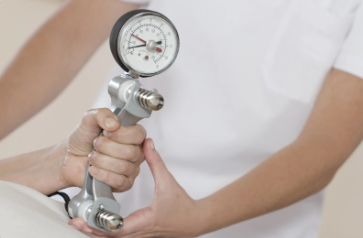
The Hand grip dynamometer test is a better predictor of all-cause mortality than any single medical test. It correlates directly to your overall strength, which is linked closely to your overall health.
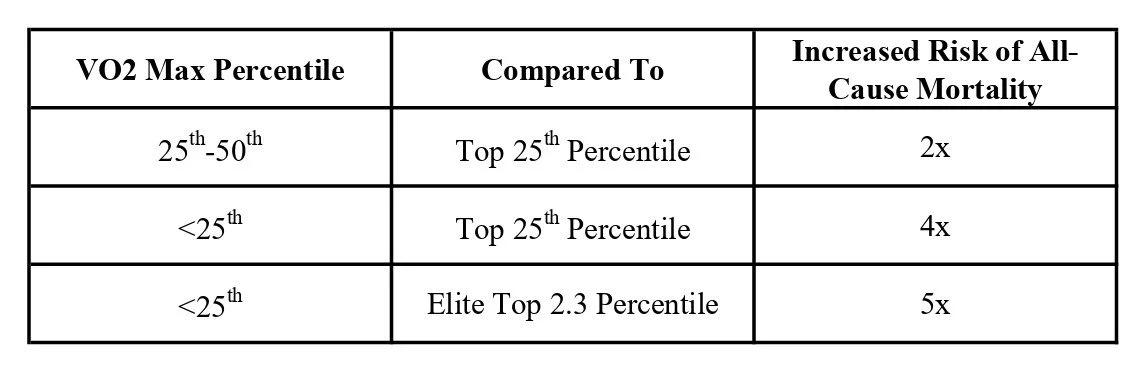
Cardiovascular health is best measured with a VO2 max test (tests the efficiency of your heart and lung function). However, this requires technical equipment that is not always easily accessible. Simpler tests such as 6-minute walk test although not as accurate can give you an idea of your cardiovascular fitness. Below is a table of risk of all-cause mortality related to your VO2 max and cardiorespiratory fitness.
Key Takeaways
Menopause symptoms can be effectively managed with a tailored physiotherapy approach focusing on pain relief, strength and hormonal balance.
Physiotherapy helps with Heart health through an integrated strategy of targeted exercise of strength training, HIIT and sport.
Supervised high-intensity training supports bone health, cardiovascular function, and hormonal regulation safely and effectively.