

Realtime Ultrasound Imaging (RTUI) – Seeing Is Believing
A Conversation About RTUI With Our Patient - Sarah
We sit down with Sarah, a 42 year-old patient who struggled with chronic low back pain for years before discovering RTUI. This is her story and the science behind it.
The Problem: “ I had chronic back pain and I had tried everything”
Physio: Sarah, you came to us after years of back pain. Can you tell us what you had tried before?
Sarah: Everything. Physiotherapy, chiropractic, acupuncture, Pilates, core classes at the gym. I was doing "core exercises" almost every day. But my back still hurt. Every time I lifted my kids, sat at my desk for too long, or tried to run – the pain came back.
Physio: This is incredibly common. Research shows that up to 80% of people with chronic low back pain have impaired deep core muscle function. Why do you think your previous exercises didn't work?
Sarah: I honestly thought I was doing them correctly. My Pilates instructor would say "engage your core" – and I would pull my stomach in and contract my abdominal muscles. I thought that was the right way.
Physio: You just described what we call compensation. Many people substitute superficial muscles – like the rectus abdominis (the "six-pack" muscle) – for the deep stabilizers. On the outside, it looks like you're core is working because your stomach looks flatter, but on the inside, the muscles that actually stabilize your spine may not be firing at all and most likely, not in synergy with other muscles. This is where RTUI comes in.
The Solution: “Being able to see and feel what I was doing made a big difference with a physio who was experienced in this area”
Physio: Can you describe your first RTUI session?
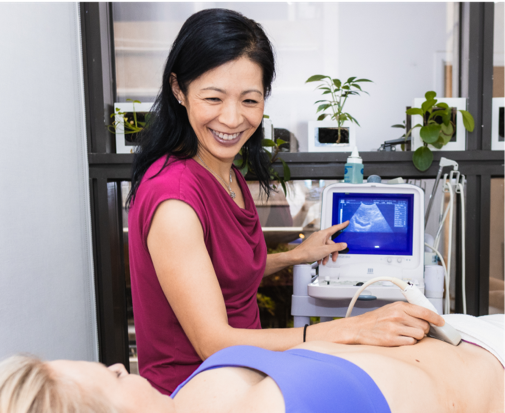
Sarah: The physiotherapist placed a small probe on my lower belly with some gel. On the screen, I could see this deep muscle – she called it the transverse abdominis. She asked me to "engage my core." I did what I always did – I sucked my stomach in.
Physio: And what did we see on the screen?
Sarah: My superficial muscles were contracting and working hard, but the deeper muscles (transversus abdominus – TA), the one we wanted, barely moved. I was shocked. I had been doing it wrong for years. It also showed how my abdominal muscles were not synching as they should and the left and right side were also very different. Amazingly, I could also see that my breathing muscle (diaphragm) was not working well and instead, I was using my deeper core to do this. And because my core was ‘breathing’ for me, it couldn’t stabilise my back and pelvis like it should – so my back muscles (and other ones too) would do it instead causing a whole compensatory pattern. That really explained why my back muscles are always so tight.
They also showed me how my pelvic floor muscles were very weak (especially after having two babies). What was really disappointing was seeing that when I ‘put my core on’ as I had been in my Pilates and gym classes, I was in fact pushing down on my pelvic floor making it even weaker. The physio then asked me to do some Kegel exercises (pelvic floor muscle exercise) and I could see this on the RTUI screen too. I could see that I was lifting my pelvic floor muscle (PFM) in the correct way, but that it was really weak and I couldn’t hold it for more than 3 seconds – I had no idea that my PFM was letting go after only 3 seconds!
Physio: RTUI gives both you and I visual feedback and how muscles are working together or not. Often, relying on how patients how something feels isn’t always accurate. If you can see what the correct activation is, you then know if you are doing something correctly and not wasting time. RTUI provides objective, real-time feedback – you see success immediately, or you see compensation immediately.
Sarah: Then she taught me a different cue. She said: "Imagine a gentle drawstring pulling from your hip bones toward your belly button – but without moving your belly." It felt like almost nothing. But when I looked at the screen, the deep muscle moving perfectly. I finally understood what "core engagement" was supposed to feel like.
The Evidence: Why RTUI Works
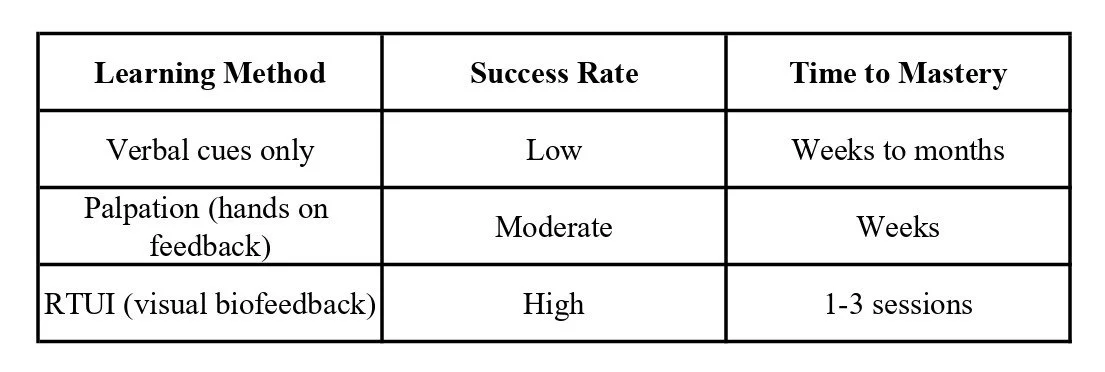
o RTUI training significantly improves deep core activation in back pain patients compared to verbal cues alone
o RTUI-guided core training produces superior pain and function outcomes versus standard exercise
o Visual biofeedback accelerates motor learning and reduces compensatory movement patterns
Why Visual Feedback Matters
The Transformation: From Pain to Performance
Physio: What changed after your RTUI sessions?
Sarah: Within two weeks, my back pain started decreasing. Not because I was doing harder exercises – but because I was doing the right exercises. I wasn't gripping or bracing. I was learning to engage gently and consistently.
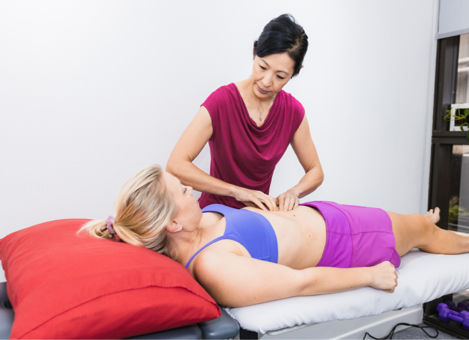
Physio: We progressed you from lying down, to sitting, to standing, to lifting. Each step, we used RTUI to confirm your deep core was staying engaged.
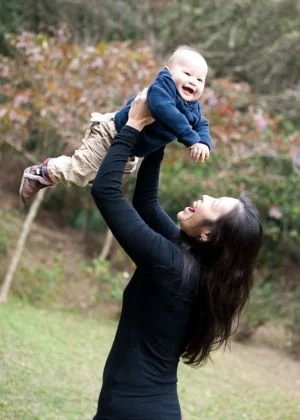
Sarah: After six weeks, I lifted my 3-year-old without pain for the first time in a year. I cried. I had been avoiding picking up my own child because it hurt so much. My new approach to exercise gave me my life back.
Physio: In combination with effective manual therapy and our RTUI guided exercise program, Sarah now runs three times a week and has completed two 5km races. Her pain levels went from 7/10 to 0-1/10.
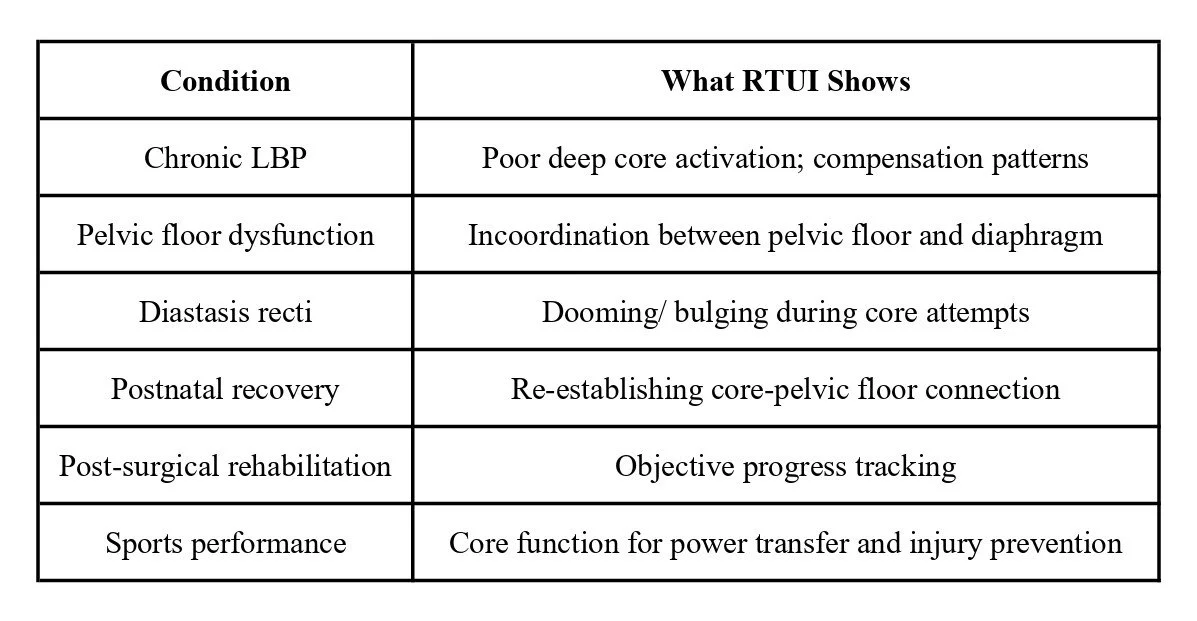
What Conditions Benefit from RTUI?
Q&A: Fun Facts About RTUI
Q: How many sessions do I need?
A: Most patients achieve correct activation within 1-3 RTUI sessions. After that, you can practice independently with confidence.
Q: Is this just for back pain?
A: No. RTUI is also highly effective for pelvic floor dysfunction, postnatal recovery, diastasis recti and sports performance.
Q: Can I use RTUI if I’m pregnant?
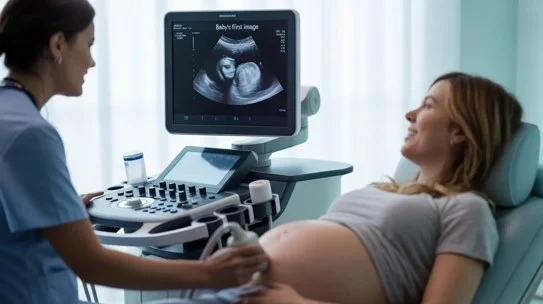
A: Yes. Ultrasound is safe during pregnancy. In fact, RTUI is excellent for teaching pregnant women how to engage their deep core without increasing intra-abdominal pressure.
Key Takeaways:
1. Up to 80% of people with low back pain have impaired deep core function.
2. RTUI provides real-time visual feedback – you see your deep muscles working (or not working).
3. Most patients master correct activation in 1-3 RTUI sessions – much faster than verbal cues alone.
4. RTUI benefits more than back pain – pelvic floor, postnatal, diastasis recti, and sports performance all improve.
5. Seeing is believing. Patients who struggle with "feeling" their core often succeed immediately with visual feedback